
How a Smart School Admin Tech Stack Saves Time & Money
Reduce admin workload, improve fee collection, and streamline parent communication using an integrated school operations setup with MyQampus.

A school can look modern and still run on disconnected systems. One team tracks attendance in a mobile app. Another team keeps grades in spreadsheets. Finance manages billing through email threads and receipts. Parents receive updates across WhatsApp, SMS, and random paper notes. Staff spend hours searching for the latest “correct” file version. Errors creep in, and families lose trust quickly. A smarter approach uses a small set of connected tools. Those tools share data and reduce repeated work across departments. MyQampus fits this model as a unified operations hub. It helps schools in the USA, Canada, Australia, New Zealand, and Europe run consistently.
Build a School Admin Tech Stack Around One Data Hub
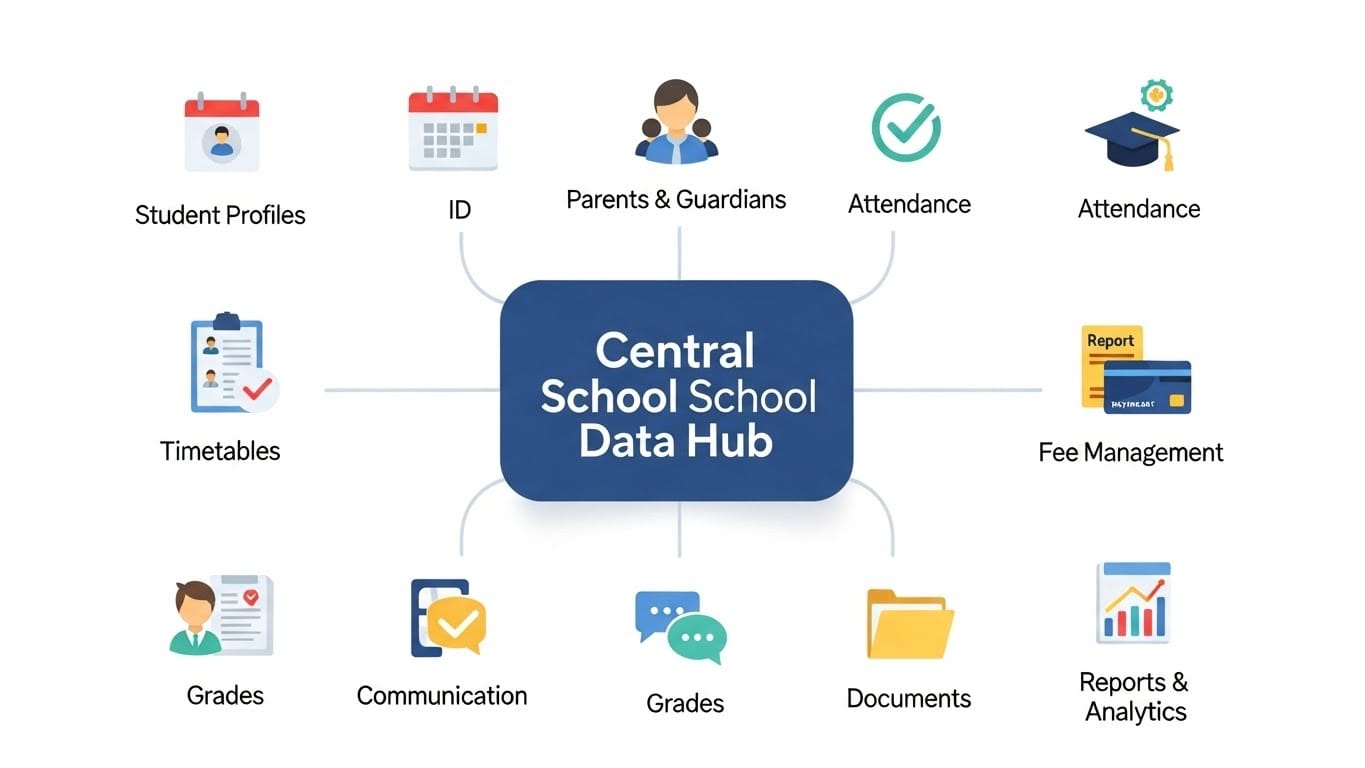
A school admin tech stack works when one platform becomes the system of record. That hub should store student profiles, guardians, contacts, and enrollment history securely. It should also connect attendance, schedules, grades, and billing in one workflow. When data lives in one place, every team stops re-entering information. Teachers stop asking admins to resend class lists weekly. Coordinators stop copying updates between sheets and group chats. Leaders get dashboards that reflect reality, not best guesses. MyQampus supports this “single source of truth” approach for daily operations. It reduces duplication and improves accountability across campuses. It also supports consistent processes as schools scale across regions.
The hub must integrate smoothly with tools schools already trust and use. Email and calendars should connect to your staff communication workflow. Document storage should link to student records and staff permissions. Identity and access should support single sign-on where possible. Payments should sync with fee schedules and receipts automatically. Reporting should export cleanly for audits, compliance, and leadership reviews. Integration readiness matters more than long feature lists. A reliable platform with APIs prevents lock-in and messy workarounds. The goal stays simple: enter data once, then reuse it everywhere. That principle saves time daily, and it protects budgets long term.
Where Time and Money Leak in Modern School Operations
Most schools lose money through tiny daily inefficiencies that compound quickly. Staff spend minutes repeating tasks, then lose hours each week. Attendance correction becomes a second job after morning rush. Timetables change, but updates fail to reach every teacher immediately. Front offices handle avoidable parent calls about missed notices. Finance teams reconcile payments manually and resolve repeat disputes. Admissions teams forget to follow up because leads sit in scattered inboxes. These problems rarely appear on budgets as line items. They appear as overtime, extra hires, and stressed staff. They also appear as poor parent experience, which hurts retention and referrals.
Leaks also happen when tools create data conflicts between departments. One system shows a student’s address, while another shows a different version. A parent changes phone numbers, but the update never reaches every list. Billing shows “due,” while a bank transfer already arrived yesterday. Grades get entered twice, which invites mistakes and frustration. When teams do not trust the data, they create backups everywhere. That creates even more versions and more confusion. A connected student information system prevents this spiral. It reduces rework and makes reporting dependable. Schools then spend time on learning support, not digital cleanups. That shift creates real operational savings across regions.
Automation That Cuts Admin Hours Without Cutting Quality
Automation should remove repetitive tasks while keeping humans in control of decisions. Attendance automation can trigger alerts without constant manual follow-ups. Staff can mark entries on mobile devices within normal classroom routines. Parents can receive absence notifications through approved channels automatically. Substitute assignments can route to coordinators with clear approval steps. Timetables can update instantly across teacher schedules and student portals. Homework, assessments, and progress updates can follow consistent templates. These workflows reduce “who is doing what” confusion. They also reduce delays that cause parent dissatisfaction. MyQampus supports configurable workflows that fit different school models and policies. It keeps audit trails and roles clear for accountability.
The biggest win comes from standardizing processes across departments and campuses. Use consistent naming for classes, sections, and grading terms across the system. Set approval rules for leave, purchases, and student transfers. Centralize documents with permissions and secure storage policies. Link communications to student profiles to maintain context over time. Automate recurring reminders for events, dues, and required forms. Use dashboards to detect trends before they become urgent problems. This improves service quality without increasing staff workload. It also improves staff adoption, because routines become predictable. When workflows run smoothly, teachers and admins stop resisting technology. They start trusting it, and that creates momentum.
Payments, Billing, and Reporting That Improve Cash Flow
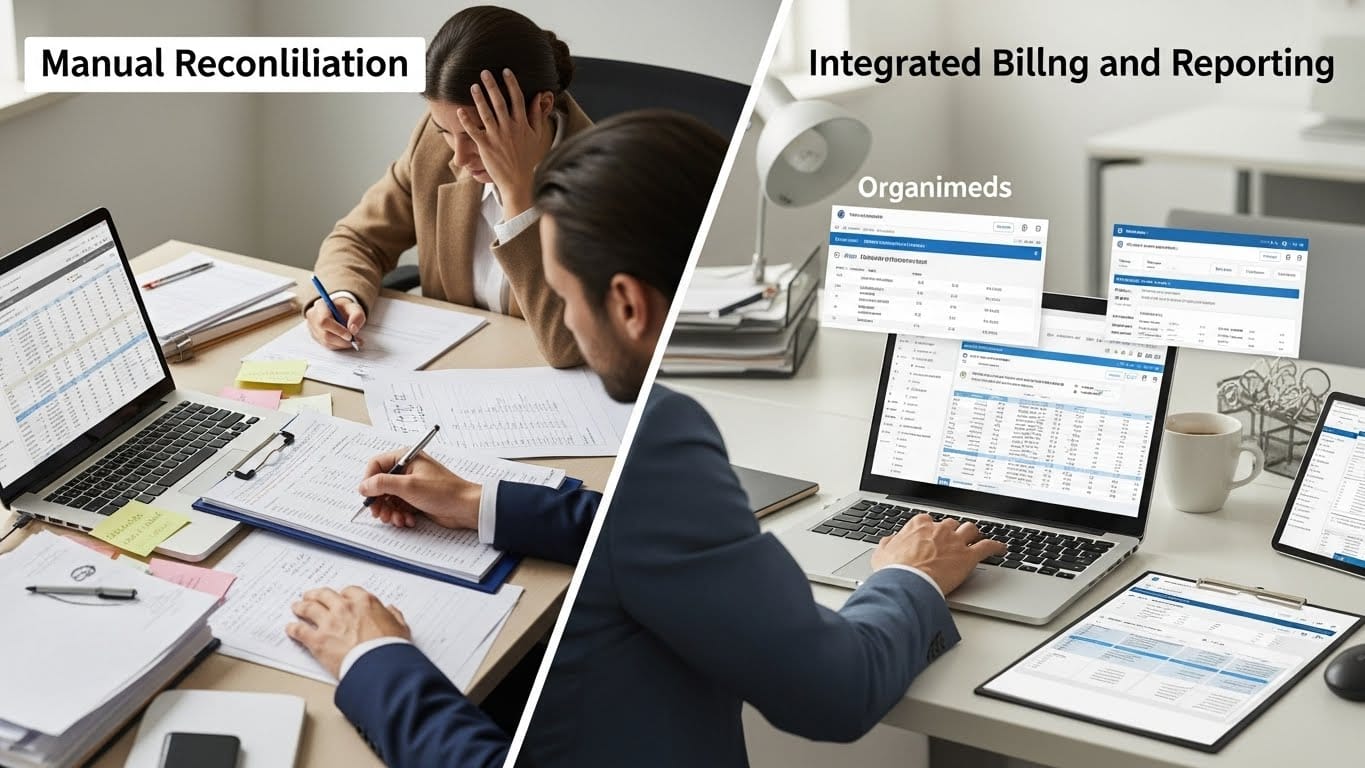
Finance is often where operational time becomes visible and measurable. Manual reconciliation drains hours and creates disputes with families. A modern billing workflow ties fee schedules to real student enrolment status. It supports invoices, receipts, discounts, and instalment plans consistently. It should also support refunds and adjustments with proper approvals. Payment integration matters because it closes the loop automatically. In the USA and Canada, schools often accept cards and ACH transfers. In Australia and New Zealand, direct debit and card payments are common. In Europe, card payments and bank transfers vary by country. A connected system reduces disputes and improves fee collection timing. That directly improves cash flow predictability for leadership planning.
Reporting should not feel like a monthly scramble across many spreadsheets. Leaders need reliable dashboards for enrolment, attendance, and billing status. Finance teams need defaulter lists that match actual contact records. Schools also need exports that support audits and financial reviews. Compliance expectations vary by region, but accuracy matters everywhere. Schools handling student data also face privacy expectations like FERPA considerations and GDPR obligations. Strong permissions and logs reduce risk during disputes and audits. When reports match reality, leadership can make decisions faster. They can plan staffing, resources, and expansions with confidence. Clean reporting reduces hidden costs and removes the need for constant “data fixing” work.
Communication and Parent Experience That Drive Retention
Parents judge systems by clarity, speed, and reliability during important moments. They want timely updates about attendance, grades, and announcements. They want receipts that match payments without follow-up calls. They want a single parent portal instead of scattered messages. When communications scatter across channels, confusion becomes unavoidable. A unified communication platform keeps announcements searchable and consistent. It also prevents teachers from carrying the full communication burden. Staff can use templates for reminders, event updates, and policy notices. Families receive information through the correct channel at the right time. That reduces calls and improves trust. MyQampus supports parent-facing access that aligns with student profiles and verified guardians.
Retention improves when your school feels organised and responsive every week. Parents notice smoother PTM scheduling and faster responses to queries. They notice consistent notifications when timetables shift or events approach. They notice fewer surprises during fee cycles and reporting periods. They also notice when staff stop “checking and rechecking” basic information. A good system supports notes, tickets, and follow-ups tied to student records. That keeps context across years and across staff changes. Schools also gain a professional reputation that supports admissions growth. In competitive regions, experience becomes a differentiator. Better experience reduces churn and increases referrals. Those outcomes translate into real revenue stability for long-term planning.
A Practical Roll out Plan for USA, Canada, ANZ, Europe
Roll outs succeed when you focus on sequence, adoption, and measurable outcomes. Start with core records, enrolment, and roles across your teams. Then implement attendance tracking and timetable workflows for immediate daily wins. Next, activate billing, invoicing, and payment integrations for finance efficiency. Then expand into parent portal communication and approvals workflows. Finally, optimize reporting and analytics for leadership visibility. This sequence reduces overwhelm and builds trust progressively. It also creates visible results within the first term. Training should focus on daily tasks rather than every available feature. Create role-based checklists for teachers, admins, and finance staff. Keep early wins visible and celebrate teams who adopt faster.
Regional readiness matters, especially when schools operate across multiple countries. Confirm your privacy practices match your local requirements and policies. Confirm your payment options match parent expectations in each region. Confirm your communication channels align with school guidelines and family preferences. Confirm your grading and term structures reflect your academic model. MyQampus can support structured workflows that remain consistent across campuses. Consistency is what reduces operational overhead as you grow. The goal is not to buy more tools each year. The goal is to align a stable set of systems that work together. When that happens, schools save time and money without sacrificing service quality.
FAQs
1) How many tools should a school use in a modern setup?
Most schools run best with one core platform plus a few integrated tools. Fewer tools reduce training time and login fatigue.
2) Can MyQampus replace spreadsheets and messaging groups completely?
Yes, for core operations like records, attendance, billing, and communication. Some teams may still use documents, but data stays centralized.
3) What’s the fastest area to see time savings after setup?
Attendance and communication usually show results first. Finance savings follow once payments and receipts synchronize properly.
4) Does this approach work for multi-campus or growing schools?
Yes, because standardised workflows scale well across campuses. Central reporting also helps leadership manage growth with confidence.
5) How do we avoid staff resistance during implementation?
Use phased roll out, role-based training, and quick wins. Keep workflows simple and align them with daily staff routines.